NVIDIA Stock: Unlocking NVDA Fair Value & Buy Potential
NVIDIA (NASDAQ: NVDA) has soared to become a titan in the technology world, synonymous with cutting-edge graphics processing units (GPUs) that power everything from immersive gaming experiences to the most advanced artificial intelligence (AI) and data center innovations. Its stock performance has been nothing short of spectacular, attracting a legion of investors eager to capitalize on the AI revolution. However, the perennial question for both new and seasoned investors remains: what is the true nvidia stock price target, what constitutes its fair value, and when is the right time to buy?
Evaluating a high-growth stock like NVIDIA requires looking beyond immediate market fluctuations. It demands a deep dive into its fundamentals, market position, future growth catalysts, and potential headwinds. This comprehensive analysis aims to shed light on how investors can approach determining NVDA's intrinsic worth and its potential as a long-term investment.
NVIDIA's Unrivaled Position in the AI Revolution
At the heart of NVIDIA's meteoric rise is its undisputed leadership in AI and high-performance computing. NVIDIA's GPUs, particularly its data center accelerators, are the bedrock upon which the modern AI ecosystem is built. From training large language models to enabling autonomous vehicles and scientific research, NVIDIA's technology is indispensable. This dominance isn't merely about hardware; it extends to its robust software platform, CUDA, which has fostered a vast developer community and created a powerful moat around its offerings.
- Data Center Dominance: NVIDIA's H100 and A100 GPUs are the gold standard for AI training and inference, driving significant revenue growth from hyperscalers and enterprises.
- Gaming Prowess: While AI takes the spotlight, NVIDIA's GeForce GPUs continue to lead the consumer gaming market, a stable and lucrative segment that provides consistent cash flow.
- Emerging Markets: Robotics, professional visualization (e.g., Omniverse), and automotive (with platforms like DRIVE) present substantial future growth avenues, diversifying revenue streams.
This multi-faceted market penetration underscores why analysts and investors are keenly interested in establishing a reliable nvidia stock price target, often projecting continued growth based on these foundational strengths.
Deconstructing Fair Value: Beyond the Sticker Price
Determining the "fair value" of any stock, especially one as dynamic as NVIDIA, is a complex endeavor. It's not a static number but rather an estimate based on various analytical methodologies and forward-looking assumptions. While a stock's current price reflects what the market is willing to pay today, its fair value attempts to quantify its intrinsic worth, often taking into account future earnings potential, risk, and growth rates.
For a stock like NVDA, traditional valuation metrics such as the Price-to-Earnings (P/E) ratio can appear stretched compared to the broader market. This often leads to questions about overvaluation. However, high-growth tech companies frequently trade at a premium due to their anticipated future growth trajectory. Therefore, a deeper analysis is essential, often involving:
- Discounted Cash Flow (DCF) Analysis: Projecting future free cash flows and discounting them back to their present value. This method is highly sensitive to growth rate and discount rate assumptions, which can vary widely among analysts.
- Relative Valuation: Comparing NVIDIA's metrics (like P/E, EV/Sales, Price/Sales) to those of its peers and industry averages. This can provide context but needs careful selection of comparable companies, which can be challenging given NVIDIA's unique position.
- Growth at a Reasonable Price (GARP): Balancing growth prospects with valuation, often using metrics like the PEG ratio (P/E divided by earnings growth rate) to identify if the growth justifies the current valuation. A PEG ratio closer to 1 or below often suggests a more attractive valuation.
Platforms like InvestingPro (as referenced by Investing.com) offer tools for users to assess stock fair value and other essential metrics. These tools often consolidate various models and provide a quantitative estimate, but investors must understand the underlying assumptions. The ultimate nvidia stock price target proposed by various institutions stems from these types of detailed, often proprietary, valuation models. It's crucial to remember that these targets are projections, not guarantees, and are subject to constant revision.
Key Influencers on NVIDIA's Stock Performance and Future Price Targets
NVIDIA's future stock performance, and consequently its evolving price targets, are subject to a confluence of internal and external factors. Understanding these dynamics is crucial for any investor considering NVDA.
Technological Innovation and Market Demand
NVIDIA's ability to maintain its technological edge is paramount. Continuous innovation in GPU architecture, AI software (like CUDA and AI Enterprise), and new market applications directly fuels its revenue streams. The insatiable demand for AI processing power across industries—from cloud computing giants to enterprise data centers and burgeoning edge AI applications—serves as a powerful tailwind. Any breakthrough, or conversely, any slowdown in innovation or adoption rates, can significantly impact investor sentiment and future price projections.
Competitive Landscape and Geopolitical Pressures
While NVIDIA enjoys a dominant position, competition from established players like AMD and Intel, alongside the rise of custom AI chip designs from major tech players (like Google's TPUs or Amazon's Inferentia), is an ever-present factor. Maintaining market share and pricing power in a rapidly evolving landscape requires constant vigilance and strategic execution. Furthermore, the geopolitical environment, particularly concerning global trade and technology transfer, plays a significant role.
Recent reports detail a new framework tightening global AI-chip export controls, specifically impacting Nvidia accelerators and imposing stricter security conditions on foreign buyers. This regulatory tightening, particularly from the U.S. government, could restrict NVIDIA's ability to sell its most advanced AI chips to certain international markets, notably China. Such controls introduce an element of uncertainty regarding future revenue potential from key growth regions and may necessitate product redesigns for specific markets. Investors need to carefully monitor these developments as they can directly influence analysts' revisions of the nvidia stock price target. For a more detailed look at these regulations, you can read about the New Trump Framework: How AI Chip Export Controls Impact Nvidia Stock.
Financial Performance and Economic Climate
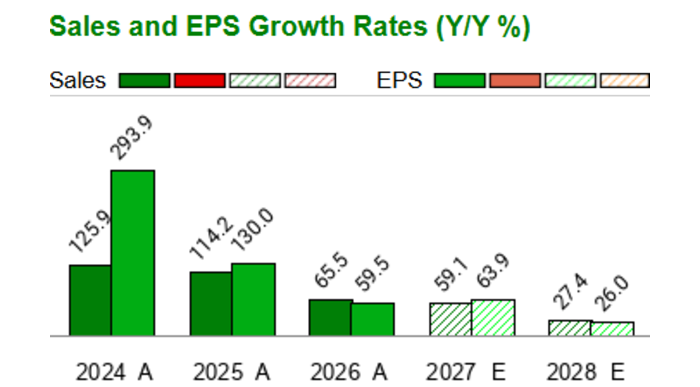
Consistent robust financial results – strong revenue growth, expanding profit margins, and healthy free cash flow – are fundamental drivers. NVIDIA’s ability to exceed or meet analyst expectations quarter after quarter is a key catalyst. Macroeconomic conditions, such as interest rate changes, inflation, and global economic growth, also indirectly influence enterprise spending on technology and investor appetite for growth stocks. A resilient global economy generally favors technology investments, whereas economic slowdowns can temper demand.
Navigating NVDA's Buy Potential: A Multi-faceted Approach
For investors considering a position in NVIDIA, a holistic approach combining fundamental analysis, technical insights, and a keen awareness of risks is essential. This helps in understanding not just if to buy, but when and at what price.
- Fundamental Deep Dive: Analyze NVIDIA's earnings reports, balance sheets, and cash flow statements. Look at metrics like revenue growth, gross margins, R&D spend, and earnings per share. Pay attention to management's guidance for future quarters, as this often sets market expectations.
- Technical Analysis: While fundamentals dictate long-term value, technical analysis can help identify optimal entry and exit points. Utilize stock charts (available on platforms like TradingView for NASDAQ: NVDA) to identify support and resistance levels, trend lines, and potential reversal patterns. This can inform short-to-medium term trading decisions, even for long-term investors aiming to improve their average cost basis.
- Analyst Consensus vs. Personal Conviction: Review the range of published nvidia stock price target estimates from reputable financial institutions. Understand that these targets are often based on varying assumptions and can change frequently. While they offer valuable insights, always cross-reference them with your own research and conviction.
- Risk Assessment: Beyond the competitive landscape, evaluate specific risks such as geopolitical tensions affecting global supply chains or export controls. Regulatory changes, as highlighted by the new framework on AI chip exports, can significantly alter market access and future revenue projections. Understanding and mitigating these risks is paramount for a balanced investment decision. To gain a deeper understanding of these challenges, especially regarding export controls, consider reading Navigating NVDA: Comprehensive Analysis Amid New Export Controls.
Practical Tip: Consider dollar-cost averaging into a position over time rather than making a single large investment. This strategy can help mitigate the risk associated with market timing, especially for a volatile growth stock like NVIDIA, by smoothing out the average purchase price.
Conclusion: The Long-Term Vision for NVIDIA
NVIDIA stands at the vanguard of several transformative technological shifts, most notably artificial intelligence. Its robust market position, continuous innovation, and strategic software ecosystem make a compelling case for its long-term growth potential. However, determining the precise "fair value" and an accurate nvidia stock price target remains an intricate process, influenced by a complex interplay of technological advancements, market dynamics, competitive pressures, and evolving geopolitical landscapes. Investors must engage in thorough due diligence, blending fundamental analysis with an awareness of macro factors and potential regulatory hurdles. While the path may have its volatilities, NVIDIA's foundational role in the future of technology suggests its journey is far from over, offering intriguing opportunities for those willing to do their homework and invest with a clear long-term vision.